
On developing your writerly instinct
Food and foreshadowing in Anna Snoekstra's The Ones We Love

“So much of what goes on in the creation of a novel is subconscious, and the more I trust my gut as I write and try not to overthink my choices, the more interesting the results.”
— Anna Snoekstra
I have brilliant friends who write brilliant books. Because they’re my friends, they endure my incessant chatter about their novels after I read them. (Why have a book club when you can go straight to the source?) One such conversation with my friend Anna went something like this:
Me: And it was so clever how you foreshadowed that X was the baddie in that early conversation between Jo and her father.
Anna: Which conversation?
Me: You know, the one about Midsomer Murders and how it’s always the X whodunnit.
Anna: …
Me: [Quotes the passage in question from Out of Breath.]
Anna: Huh. I didn’t realise I’d done that. I guess I’m smarter than I think.
Anna is smart. And on top of that, she’s prolific. In a recent interview, she said, “I prefer writing…fast. I like to let my subconscious take over and not give myself time to overthink. One really good writing week I typed so much so quickly that my fingernails started disconnecting from the nail bed.”
Yikes! But also, intriguing. When I asked her more about this, Anna said, “One of the most mysterious aspects of the creative process is just how fine-tuned a writer’s intuition is. So much of what goes on in the creation of a novel is subconscious, and the more I trust my gut as I write and try not to overthink my choices, the more interesting the results.”
Given The Ones We Love is Anna’s fifth novel, I reckon she’s knows a thing or two. As a class-A overthinker, I took note. Could my relentless rewriting and second-guessing be the equivalent of mowing over a flowerbed? What is lost when we override our gut instinct?
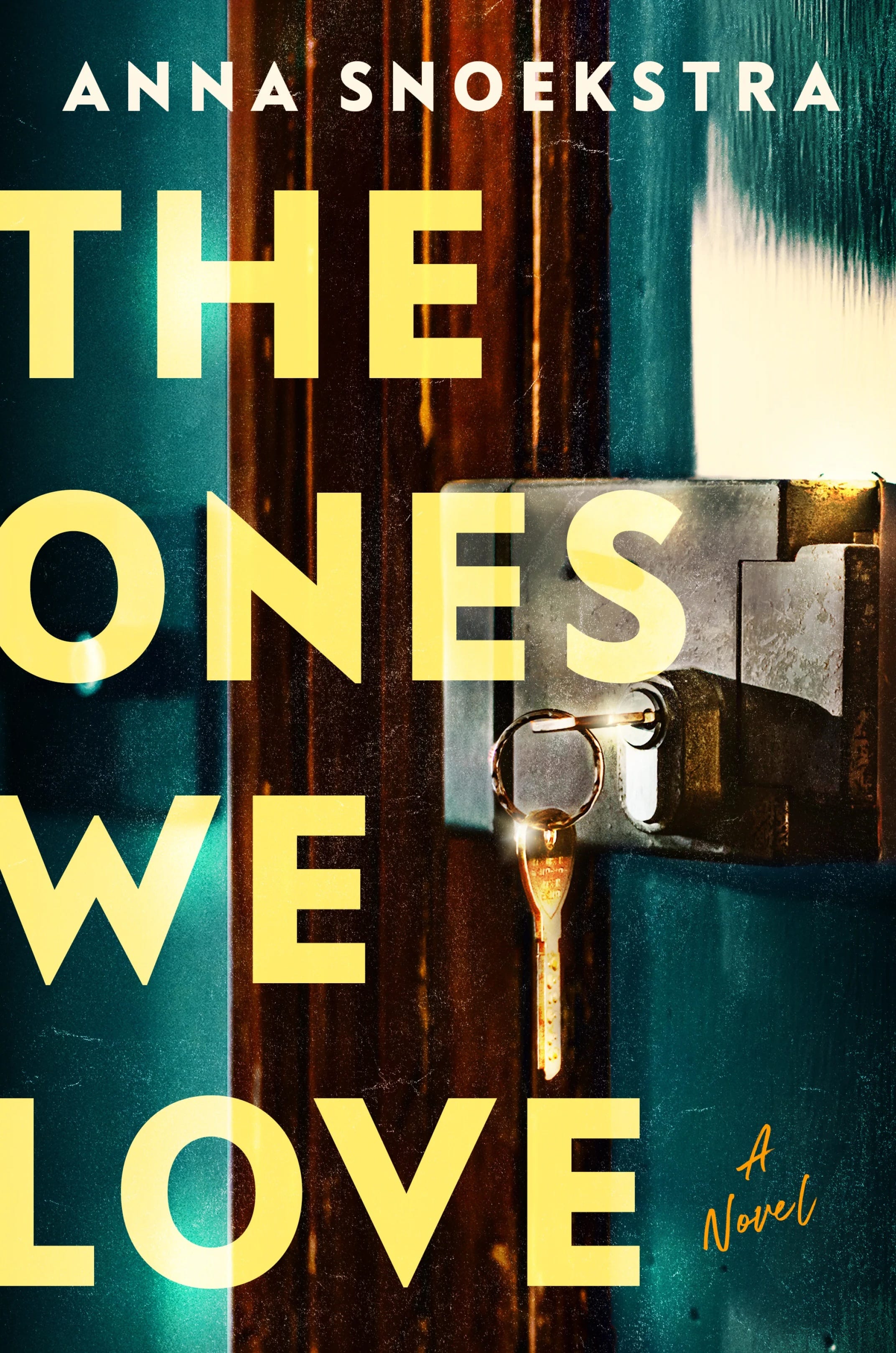
Anna’s latest book, The Ones We Love, is a multi-POV thriller set in LA about family, secrets and the ties that bind. The Jansen family, Australian interlopers to LA, are in crisis. Daughter Liv wakes up covered in unexplained bruises, there is a padlock on her bedroom door, and her parents are acting weird. Something has happened, but no one is willing to talk. The plot twists and turns as the characters unravel one secret after another, digging themselves into a sinkhole of trouble that looks likely to suck the whole family down. It’s not so much as whodunnit as a whodunwhat.
It’s hard to discuss the novel’s plot without running into spoilers, so I thought I’d focus on an aspect of craft that Anna handles particularly skilfully, one that also demonstrates the genius of the subconscious at work.
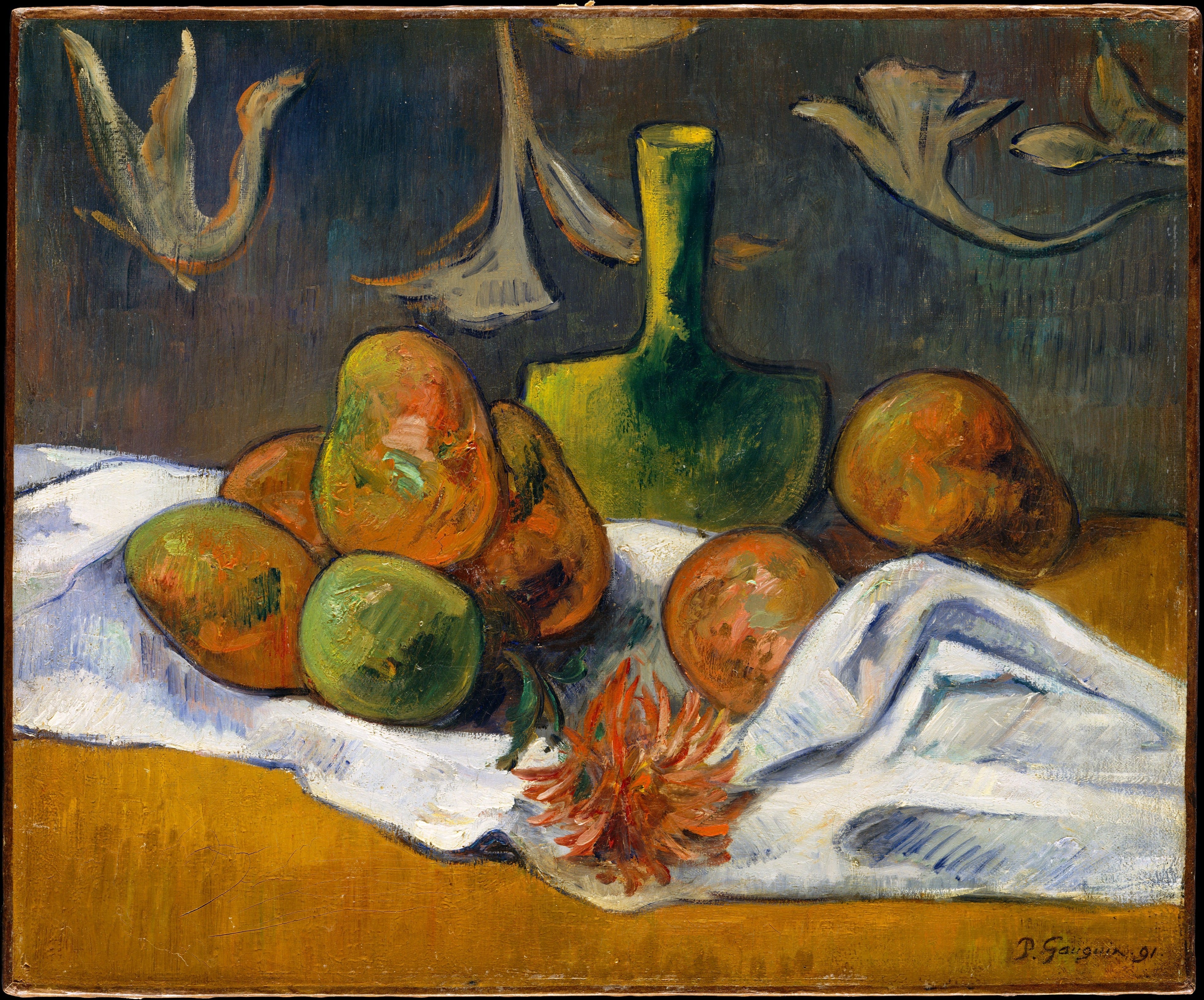
As you might expect in a novel tied up with family dynamics, food plays a big role. Apart from making me hungry, Anna’s culinary descriptions reminded me there should always be a subtext when characters eat on the page. After all, feeding ourselves is one of those necessary tasks (along with going to the toilet, showering, sleeping etc.) that don’t need to be shown if they’re not intrinsic to the plot; the reader will simply assume they have happened.
And yet, food also brings a sensory charge to a story. Descriptions of flavour and texture, smell and presentation help immerse the reader in the scratch and sniff of the story-world. What we eat and who we eat it with can tell us loads about family dynamics, patterns of caring, and a character’s emotional state.
The characters in The Ones We Love are frequently too stressed to eat. (One character in particular seems to subsist on white wine and black coffee.) But other times, descriptions of food are used to show burgeoning connections. In these scenes, the pace slows as it must, naturally, offering some relief from the forward-thrust of the narrative.
When the youngest Jansen, Caspar, eats a fruit cup with his friend Tye, the icy tang of it is a relief for both the reader and the characters from the muggy, oppressive atmosphere.
They’d bought fruit cups from the street vendor who was always set up with a rainbow umbrella, and now they sat under a tree eating ice-cold diced watermelon, mango, and jicama with chili and lime juice. p 49
In a later scene, the smell of citrus and herbs grounds us in the room with two characters on the knife-edge of desire:
X was set up on the island. He’d already quartered half a plastic tray of lemons, filling the room with their citrus smell. He took out some coriander—or cilantro, as they called it here—and started dicing it so finely she was worried he’d slice a finger. The smell was lovely, herby and fresh, easing the bleach burn in her nostrils. p 202
And when Liv finds herself increasingly anxious about her inability to remember key events, her neighbour Austin takes her to a diner where good food in unpretentious surrounds makes her feel human again.
The waitress… deposited a huge slice of pie in front of Austin. It was covered in glazed strawberries with whipped cream and a thick crust. In front of Liv, she placed a warm plate with a stack of four pancakes, covered in icing sugar and fresh strawberries, as well as a bottle of syrup. [...] She cut into the stack of pancakes, still unsure if she was going to be able to stomach it. She put a small slice into her mouth. The pancakes were light and fluffy, the sugar sweet. It zinged down her fingers and made her head less floaty. She took another, bigger slice. This time with strawberries. They were juicy and slightly sour. Delicious. It was like she’d been spinning without realizing, and now she was grounded. p 109
The detail is what makes it here, the adjectives earning their keep: the warm plate, the thick crust, the juicy, sour strawberries, the zing of the sugar hitting her system. The scene feels warm and generous; for a short moment, Liv and the reader have landed somewhere safe.
It feels noteworthy that in the three instances above, characters are eating food outside of the home with people other than their family, while on the home front, the idea of eating together has become a charade.
In an early scene, Mum Kay makes cannelloni, presumably out of habit because no one in her family seems interested in eating what she cooks right now (herself included). And yet, she proceeds to make the most fiddly of all pasta dishes (is that just me? all that stuffing…), because some part of her wants to retain an idea of herself as mother-nurturer, even as she thrusts the dish into the oven and flees the house, pretending she’s off to work.
The cannelloni stews, filling ‘the already warm kitchen with stifling, heavy heat.’ Caspar ignores it and has cereal instead, Liv goes for two-minute noodles, and even husband Janus can’t bring himself to take a bite.
When Kay returns home,
The lights had been left on downstairs, even though no one was there. The kitchen was a mess. Red dollops of sauce were dripping down the side of the bin. There was a chopping block on the bench covered in strips of carrots, and the sink was full of dirty dishes. The tray of cannelloni had barely been touched. She flicked the light off, like the dark would make the mess disappear. p100
The word choice is crucial here. Anna could have easily made us feel sympathetic to Kay—another woman perpetually doomed to clean up after her ungrateful family—and perhaps she does a little. But for me, those dripping red dollops of sauce + the chopping block + her wish the mess would disappear = something much more sinister.
Is this something the average reader will pick up on as they tear through these pages? Maybe. Maybe not. But just as Anna’s subconscious cleverly sprinkled these breadcrumbs, the reader’s subconscious begins to pick out a trail. And so a vibe grows, a feeling. A distrust of this character and her guilt-tinged oven dinners.
Curious as to how much of this came down to deliberate choices, I asked Anna about her approach. She told me, “I love reading and writing about food! It’s not something I thought about in great depth apart from wanting to include as many descriptions of eating and preparing food as I could. Who eats what when came naturally.”
So does this mean those ominous dripping red dollops were merely a descriptive flourish? I doubt it. Instead, I think they are the result of an experienced writer following her instinct through a story, leaving room for her subconscious to plant seeds and weave connections. All of which reminds me of Allen Ginsberg’s advice: first thought, best thought.
Wishing you a good writing week (with fingernails intact).
Susie
Your review makes me want to read this book. I like this 'trust your instinct' approach to writing.